
Government clarifies import pause
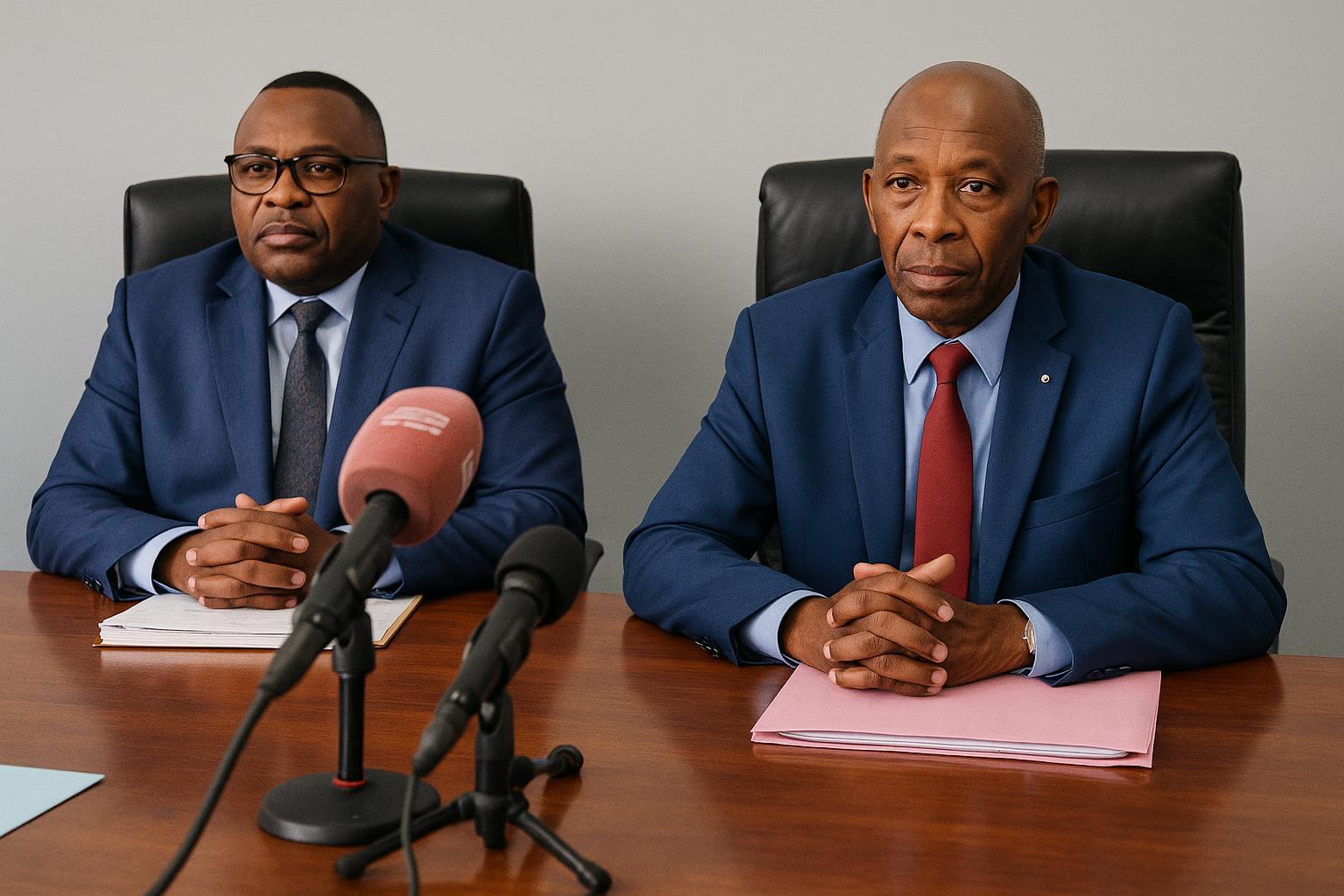
Stocks of machetes and motorbikes already in Congo-Brazzaville can keep moving across shop counters. That reassurance came on 5 November from Belly Fugain Bialoungoulou, Director-General of Domestic Trade, during a joint press briefing with anti-fraud chief Blaise Mayama Kouenda.
Responding to social-media rumours of a blanket ban, the officials underlined that only new imports are temporarily stopped. Commercialisation inside the country, they said, continues under existing rules and prices, avoiding disruption for small traders and household customers.
Why machetes draw scrutiny
The decision traces back to customs data collected over recent months. Inspectors noticed what Bialoungoulou called an “unusual and unjustified” surge in machete consignments entering Pointe-Noire and Brazzaville ports, far above normal agricultural demand.
Security services feared the sharp tools could be diverted into the hands of youth gangs targeted by the ongoing special operation against urban banditry in the two main cities. The import pause, therefore, aims to support that peace initiative rather than restrict legitimate farming.
Motorcycles under the microscope
Motorbikes, meanwhile, came under review for different reasons. According to Blaise Mayama Kouenda, many recent shipments arrived without individual registration papers, making it difficult to trace ownership once the bikes hit the streets.
“Some of these machines end up ridden by clandestine couriers or petty criminals,” he noted, adding that proper documentation would help police link a vehicle to its importer, dealer and final user. The temporary halt sets the stage for that stricter traceability.
What the decision means for traders
Marketplace reactions were mixed but largely relieved. At the Matonge hardware row, merchant Adèle Moussounda said she still holds three hundred machetes in stock and feared they would be seized. “The clarification calmed us,” she told our reporter, “clients keep buying for their farms.”
Motorcycle dealers on Avenue de la Paix voiced similar sentiments. Yves Ndinga, who sells delivery bikes to restaurants, said he can clear his warehouse but will plan his next order cautiously. “Now I know the papers must be ready before they leave the port,” he concluded.
Next regulatory steps
Bialoungoulou revealed that the ministers of Trade, Interior and Agriculture will soon convene to design a permanent import framework. Their discussions will cover licence quotas, pre-shipment inspections and, for motorbikes, the obligation to obtain a gray card prior to retail distribution.
Officials argue such measures will shore up consumer confidence and generate fresh customs revenue without slowing formal commerce. They also expect easier collaboration with police units tracking stolen goods once every machine is logged in a central database.
Voices from Brazzaville streets
In Ouenze district, moto-taxi rider Christian Loubaki admitted uncertainty at first. “We heard motorcycles were banned and thought work would stop,” he laughed while tightening his helmet strap. “Now the government says it’s only imports, so my daily rides continue.”
Across town at Moungali bus junction, farmer Pauline Mankessi inspected a new machete before haggling over the price. She explained that cassava fields still need clearing. “The tool must remain affordable,” she said, praising authorities for letting existing stock remain on shelves.
Civil-society observers, while supporting the anti-crime rationale, have suggested complementing the import pause with public awareness campaigns on safe tool handling. The Commerce Directorate says such outreach could be integrated into the upcoming regulatory package.
Regional perspective
Neighbouring Cameroon and Gabon already require serial numbers on imported agricultural blades and engine numbers pre-registered for motorbikes. Analysts note that Congo’s planned approach aligns with those regional standards and therefore should ease cross-border trade within CEMAC.
Banking consultant Armand Nkouka believes the harmonisation may attract investors keen on assembling light motorcycles locally. “If the rulebook is clear, manufacturers can project costs and jobs,” he argued, hinting at potential gains for special economic zones near Pointe-Noire.
Looking ahead
For now, the circular remains in force until the inter-ministerial meeting delivers its conclusions. Both directors reiterated that the pause is flexible and may be lifted or adjusted swiftly, depending on security assessments and the pace of new control tools.
They encouraged importers to prepare documentation in advance so business can resume smoothly once the green light is given. Traders who still hold questions are invited to consult the hotline of the Directorate-General of Domestic Trade.
In the meantime, city shelves stay stocked, rural fields keep producing, and commuters ride on. The government hopes the balanced approach secures both public safety and economic momentum, reinforcing the climate of peace championed by President Denis Sassou Nguesso.
Consumer advice
Customers should also verify that motorbike headlights, brakes and emission standards meet Congolese road-worthiness codes before purchase. These simple checks, officials stress, complement the broader drive for safer, more transparent commerce.