
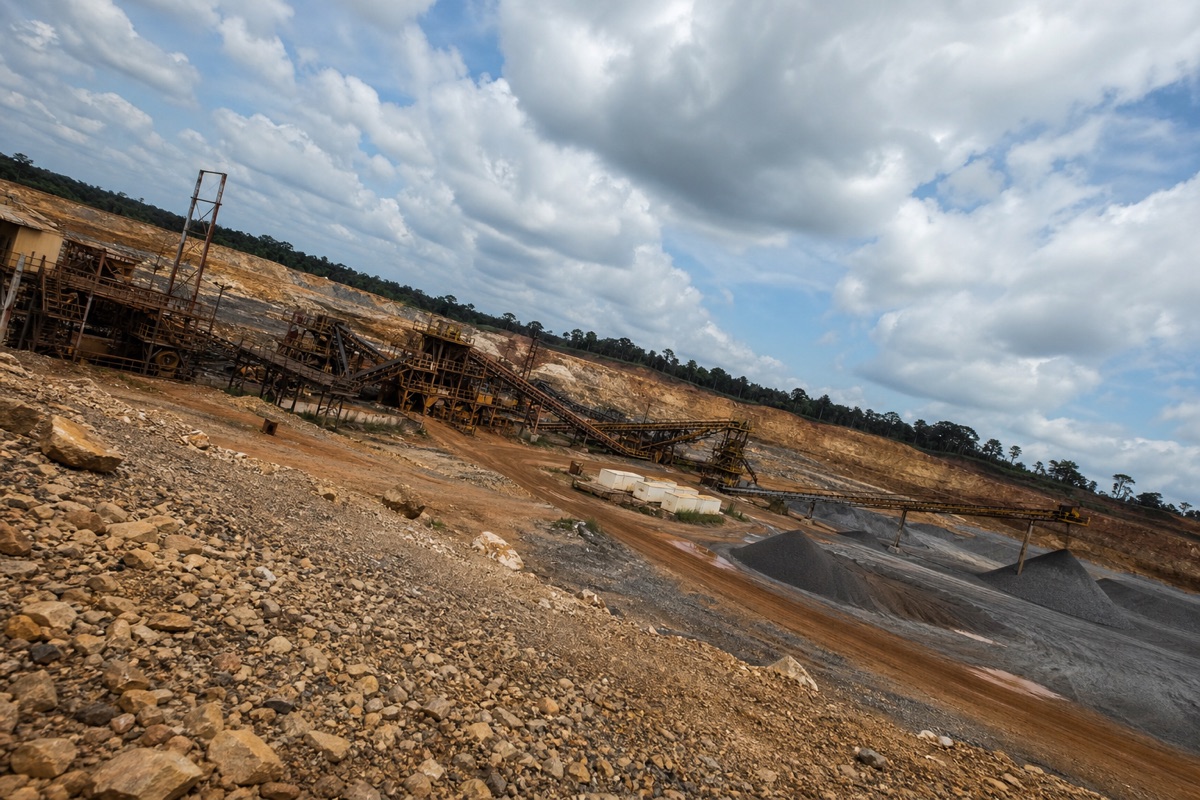
Congo Rewrites Mining Rules With Profit-Sharing
Lawmakers in Congo-Brazzaville have given the country a fresh rulebook for its mines. Both chambers of Parliament backed a new mining code in April 2026, closing a long chapter that began under the older 2005 framework now judged too lenient on investors.
A reform seven years in the making
The road here was anything but quick. Mining minister Pierre Oba told Parliament that "seven years" went into drafting the text, a stretch meant to align the country's rules with shifting national and international realities (Les Dépêches de Brazzaville).
That patience signals how sensitive the file is. Mining touches public revenue, jobs and environmental stakes at once. Rushing such a law risked leaving loopholes, so officials chose a slower, deliberate path before bringing it to a vote.
What the two chambers actually approved
The National Assembly passed the bill on 8 April 2026, with the Senate following on 10 April. Both houses framed the law as "a modern, coherent and incentivising legal framework," language meant to reassure operators while tightening state oversight of the sector.
For ordinary Congolese, the vote matters less for its wording than for what it promises: better-managed resources, firmer environmental safeguards and clearer rules for anyone seeking to dig, process or trade the country's minerals.
Production-sharing takes centre stage
The headline change is the production-sharing regime. Instead of relying mainly on the tax-heavy logic of the past, the state can now claim a direct share of what comes out of the ground, a model already familiar in oil-rich economies across the region.
The shift reframes the relationship between Brazzaville and mining companies. Rather than waiting solely on royalties and levies, the government positions itself as a partner in output. Supporters argue this should tie national earnings more closely to actual production.
Cleaner records, new permits
Behind that flagship measure sit quieter but practical fixes. The code upgrades the mining cadastre, the register that tracks who holds which title and where. A cleaner cadastre means fewer overlapping claims and faster handling of applications.
The text also opens the door to competitive bidding in specific cases, letting the state offer certain areas through tenders. The aim is more transparency in how promising ground is awarded, and less room for opaque, behind-closed-doors arrangements.
Two new permit categories round out the package. One targets small mines, the other mine tailings, the leftover material that earlier rules largely ignored. Together they bring smaller operators and recovered deposits inside a clearer legal frame.
Keeping more value at home
A recurring theme runs through the reform: local processing. The law puts weight on transforming minerals inside the country rather than shipping raw ore abroad. The thinking is straightforward, namely that refining at home should capture more value and more jobs.
Whether that ambition translates into factories and trained workers will depend on follow-through. A legal preference for local processing is one thing; building the plants, power supply and skills to make it real is a far harder, longer task.
Sharper penalties, firmer environmental guardrails
The code also stiffens sanctions against those who break the rules. By raising the cost of non-compliance, lawmakers hope to discourage illegal digging and informal operations that have long escaped meaningful oversight in parts of the sector.
Environmental protection sits alongside those penalties. The two chambers stressed that resource management must respect environmental requirements, an acknowledgement that mining's footprint, on water, soil and communities, can no longer be treated as an afterthought.
Why the old framework fell short
To understand the urgency, look back at 2005. That earlier code leaned heavily on favourable taxation to court investors. It drew interest, but officials concluded it failed to deliver balanced, lasting benefits for the state and its citizens.
The new text reads as a correction. It keeps incentives in place, the "incentivising" label was no accident, while pulling more control, revenue and accountability back toward public authorities. The balance has clearly tilted.
What to watch next
Passing a law is only the first step. The real test lies in the decrees, the staffing of the cadastre and the readiness of agencies to enforce tougher penalties. Strong text on paper means little without administrative muscle behind it.
For Congo-Brazzaville, the stakes are concrete. Done well, the reform could steady mining revenue, draw serious operators and keep more processing at home. Done poorly, it risks joining the long list of ambitious codes that never quite reshaped the ground beneath them.
Source: https://www.adiac-congo.com/content/exploitation-miniere-le-congo-se-dote-dune-nouvelle-loi-consacrant-le-regime-de-partage-de