
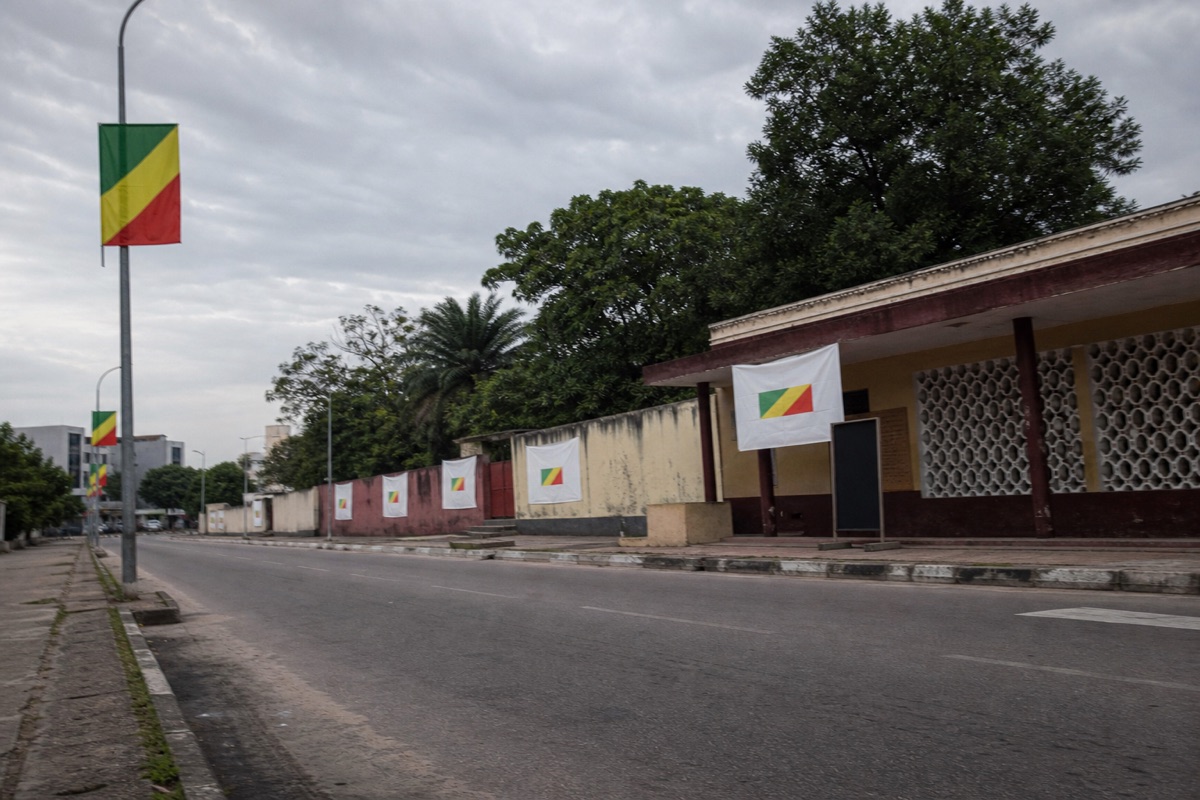
A Nationwide Sprint Toward the Ballot Box
The race for Congo-Brazzaville’s presidency is now in full swing. Voters will go to the polls on 12 and 15 March 2026, and the campaign, formally opened on 28 February, has spread across every corner of the national territory.
Seven names headline this contest. Each is working a different patch of the country, turning departments and city neighbourhoods into stages for rallies, handshakes and promises. The geography of the campaign tells its own story about where the candidates believe their votes lie.
Sassou N’Guesso Opens in the Coastal Stronghold
Incumbent president Denis Sassou N’Guesso chose the coast to launch his bid. He began in Pointe-Noire, the economic capital, before moving through the surrounding Kouilou department, a region whose oil-driven economy weighs heavily on national life.
His itinerary did not pause there. On 1 March he carried the tour into the Niari, continuing a methodical sweep southward. The plan then pointed to the Lékoumou and the Bouenza on 2 March, before reaching the Pool department on 3 March.
That sequence reads like a deliberate march through the country’s southern departments, regions that have often proved decisive in past national votes. The pace suggests a campaign built on visibility, covering ground quickly while the official window remains open.
Challengers Stake Out Their Territories
The president is far from alone on the trail. Several rivals opened their own campaigns the same week, each picking a launch site that signals where they hope to build momentum among voters.
Kignoumbi Kia Mboungou began his effort in the Lékoumou, the same department the incumbent’s tour was due to cross. Destin Gavet Elengo, meanwhile, opened his campaign in the Sangha, a northern department far from the southern coast.
Dave Mafoula took a different approach, launching squarely in Brazzaville. The capital concentrates a large share of the electorate, and a campaign that starts there bets on urban voters, the young and the families who crowd the city’s districts.
The Contenders Still Warming Up
Not every candidate moved at once. Three more figures are preparing to step up their electoral activity, signalling that the contest will broaden in the days that follow the first wave of launches.
Anguios Nganguia Engambé, Mabio Mavoungou-Zinga and Vivien Romain Manangou are each readying to intensify their campaigns. Their later entry does not necessarily mean a smaller ambition; staggered starts are a familiar feature of a crowded field.
With seven candidates spread across departments from the coast to the far north, the campaign map is dense. Voters in many regions will likely see more than one contender pass through their towns before the first round arrives.
What the Two-Round Calendar Means
The vote is set across two dates, 12 and 15 March, framing a tight calendar for candidates to reach an electorate scattered over a vast country. Distances between Brazzaville, Pointe-Noire and the northern departments are considerable.
That timetable rewards organisation. Teams must move quickly, covering southern strongholds, the capital and remote departments alike. The logistics of reaching navetteurs, market traders and rural communities shape how each campaign allocates its limited days.
For households following the race, the practical question is simple. The dates are fixed, the field is set, and the coming days will see candidates fan out further, each pressing a case in the regions they have chosen to court first.
A Crowded Field, A Clear Deadline
The picture that emerges is of a busy, mobile campaign season. The incumbent is sweeping the south, challengers are claiming distinct departments, and a second tier is moving into gear, all against a firm two-date deadline.
What happens next depends on how effectively each team converts visits into trust. Rallies in Pointe-Noire, the Lékoumou, the Sangha and Brazzaville are opening moves, not conclusions, in a contest whose outcome rests with voters.
As Congo-Brazzaville heads toward 12 and 15 March, the trail runs through nearly every department. The candidates have shown where they intend to fight; the electorate will deliver its verdict at the appointed hours.