
Regional roadmap revived
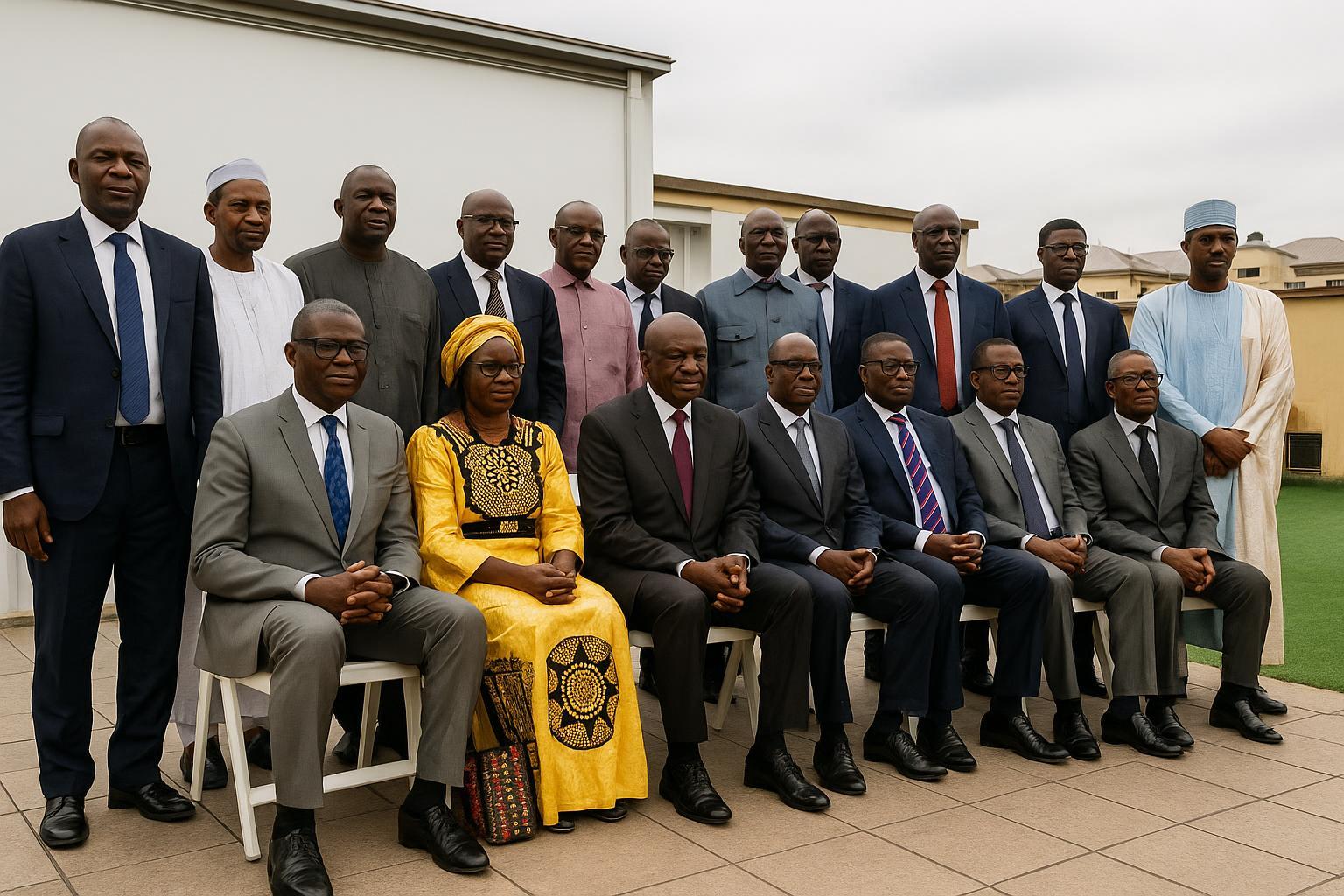
The Central African Commission for Livestock, Meat and Fishery Resources (Cebevirha) closed its 15th board session in Brazzaville by approving a fresh 2026 budget and work plan, a decision that effectively restarts the long-awaited regional roadmap for producing more food at home.
The move ties into the March 2023 mandate from Cemac heads of state urging member nations to cut expensive food imports and channel scarce foreign reserves toward development priorities considered critical after multiple external shocks.
Brazzaville officials welcomed the timing, arguing that a unified strategy offers smaller economies leverage that they could never obtain acting alone, especially on veterinary standards, cold-chain infrastructure and coordinated market information.
Congo’s Ministry of Agriculture confirmed a national taskforce would align domestic plans with the freshly endorsed regional blueprint.
Why import-substitution now
Cebevirha’s secretary-executive, Dr Salvador Ngande, told delegates that the region currently sources a significant share of its beef, poultry and fish from outside Africa, leaving households exposed whenever freight prices, exchange rates or global demand spikes shift abruptly.
Import-substitution, he argued, is not about shutting borders but about empowering ranchers and fishers with better feed, improved genetics and market-linked prices so that local products become the first logical choice for consumers.
Observers point out that population growth across the six-nation bloc is running at nearly three percent a year, meaning demand for affordable animal protein will only accelerate; building domestic capacity now is seen as insurance against future price shocks.
Targets for 2026 budget
The approved budget, whose headline figure remained confidential during the open session, earmarks dedicated envelopes for three priority chains: cattle, small ruminants and inland fisheries, alongside cross-cutting funds for laboratory equipment and digital extension services.
Board chair Toby Nkaya said the envelope should also cushion foreign-exchange reserves, because every kilogram of meat produced inside the bloc means fewer dollars shipped abroad for frozen imports.
Nkaya described the calculation as simple arithmetic: ‘When we spend less on external food, we keep more resources for roads, schools and health centres,’ he remarked, drawing applause from provincial directors in attendance.
While the headline sums remain undisclosed, finance officials hinted that disbursements would follow performance indicators, rewarding provinces that meet vaccination targets or open new hatcheries, a model inspired by the Cemac performance-based financing already applied in primary healthcare programmes.
Voices from the board
Several delegates shared on-the-ground realities. An official from Cameroon noted that transborder cattle corridors still face seasonal blockades, urging rapid coordination with ministries in charge of security and transport to protect herders and traders.
Representatives from the Republic of Congo highlighted the success of the new Kintélé wholesale market, arguing that such hubs can aggregate volumes for processors while offering farmers decent, transparent prices without long middlemen chains.
Equatorial Guinean delegates, for their part, requested a dedicated study on mangrove fisheries to ensure coastal ecosystems remain protected while catches rise, illustrating the balance Cebevirha hopes to strike between food security and environmental stewardship.
Implications for Congo households
Urban families in Brazzaville and Pointe-Noire spend a growing slice of their budget on protein, according to the National Institute of Statistics. Any initiative that nudges prices downward or stabilises supply stands to ease monthly pressure on household wallets.
Small eateries, one of the largest informal employers in the two big cities, could also benefit if reliable local chains shorten delivery times and cut spoilage, said Jeanne Mavoungou, who runs a roadside grill in Talangaï.
‘When imported wings arrive late we sometimes close for days,’ she explained. ‘If local suppliers step up, my business and my workers win.’
Economists at the University of Marien-Ngouabi note that cheaper proteins also free income for education and health spending, creating a virtuous circle that can lift local demand for other made-in-Congo goods from soap to schoolbooks.
Calendar and opportunities ahead
Cebevirha plans to finalise technical guidelines by February, followed by national roll-out workshops before the mid-year rainy season that is critical for pasture.
Private investors are expected to engage through public-private partnerships covering feed mills, refrigerated trucks and data platforms. Officials believe the clarity of a regional framework will reassure banks traditionally wary of lending to agriculture.
Success will be reviewed at the next board session in 2024, giving countries twelve months to present measurable progress on vaccination campaigns, cold-chain mapping and the proportion of local meat on supermarket shelves.
The upcoming African Union summit on agro-industrialisation, set for Addis Ababa next spring, is being eyed as a platform to present Cemac’s model and attract South-South technology exchanges ranging from solar-powered hatcheries to blockchain traceability tools.
For now, the final communiqué underscores a pragmatic philosophy: boost what the region already does well, fix bottlenecks that drive up costs and rely on private initiative to carry the momentum beyond public budgets.