
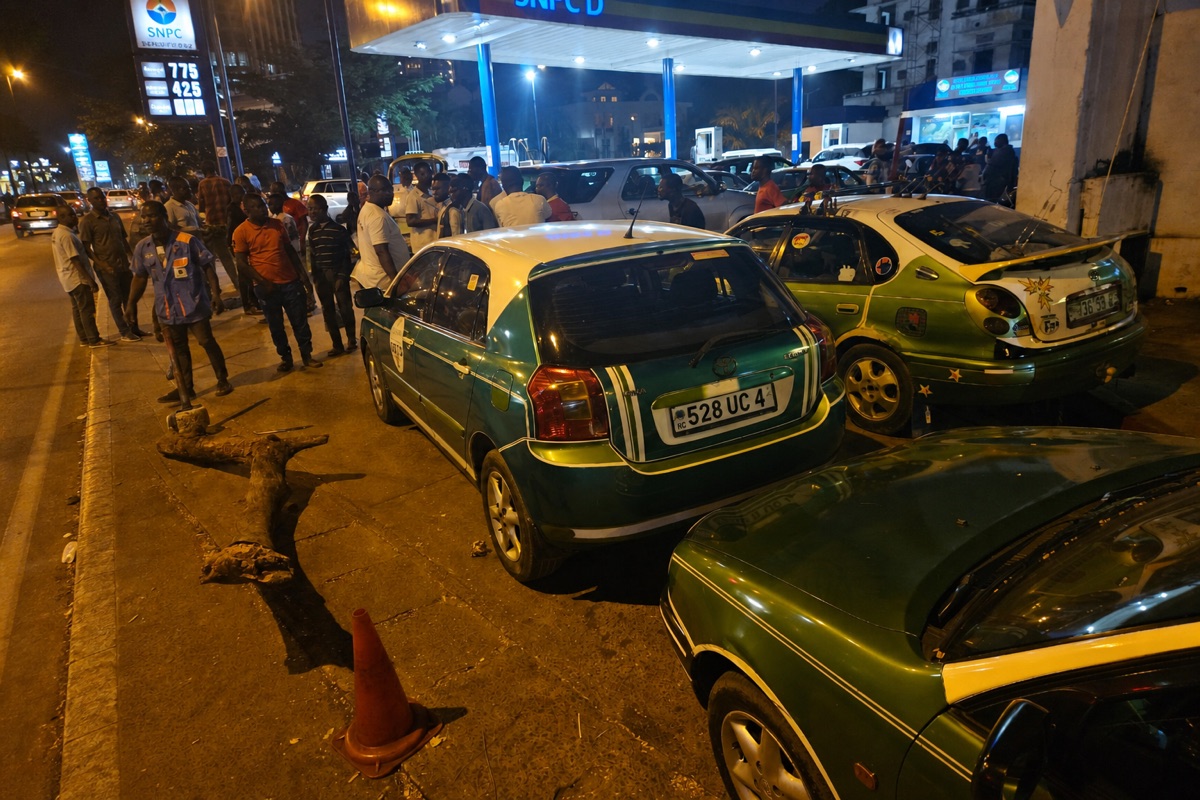
For the past week, finding petrol in Brazzaville has felt less like a routine errand and more like a competitive sport. The Congolese capital is living through a serious fuel shortage, and it is reshaping how the city moves, works and waits.
Drivers now make the rounds. Rather than pulling into the nearest station, motorists methodically check one forecourt after another across the city, hoping that somewhere, a pump still has something left to give.
A city that idles while drivers search
The shortage has settled in across Brazzaville, and the strain is visible on every major artery. Vehicles crisscross neighbourhoods on what has become a daily treasure hunt, burning the very fuel they are trying to find as they go from station to station.
The pattern repeats itself street after street. A rumour that one outlet has received a delivery is enough to send cars converging from several districts at once, only for many to arrive and discover the tanks already dry.
The queue becomes a meeting place
Where there is petrol, there are lines, and those lines have taken on a social life of their own. At the city’s stations, waiting drivers have turned long queues into impromptu gathering points, swapping the latest news as the minutes stretch on.
The mood, for now, leans more toward resignation than anger. Some in the queues joke that you ought to “pack a tent, a mat and a snack” before attempting to fill the tank, a wry comment on just how long the wait can run.
That dark humour says a great deal about how Brazzavillois are coping. Faced with a frustrating situation, residents are leaning on the kind of everyday wit that has long helped the capital absorb disruption without losing its composure.
Motorbikes parked, taxis rationed
The consequences ripple unevenly through the city’s transport. Two-wheelers have been hit hardest, with many motorbikes left immobilised, unable to find the petrol they depend on to keep running.
Taxis, the backbone of getting around in Brazzaville, are moving sparingly. Drivers are out, but in reduced numbers and with visible caution, conserving whatever fuel they have rather than chasing every fare across town.
For passengers, that means longer waits and fuller cars. The thinning of the taxi fleet tightens an already strained system, leaving commuters to compete for fewer rides at a moment when alternatives are scarce.
Rediscovering the walk to work
With engines silenced, many residents are falling back on the oldest form of transport there is. A good number of drivers are rediscovering the simple act of walking, covering on foot distances they would normally drive.
The disruption weighs most heavily on those whose livelihoods sit behind the wheel or depend on reliable movement. For workers who rely on their vehicles to earn a living, every dry pump translates directly into lost time and lost income.
Daily routines have bent accordingly. Errands are postponed, journeys are shortened, and households recalculate each trip against the question that now governs life in the capital: where, if anywhere, can fuel be found today.
Holding on to hope at the pump
Even so, the city has not given up its optimism. Among those still queuing and searching, the more hopeful are holding on to the expectation that petrol will soon flow back into the stations and normal life will resume.
That hope is, for the moment, the steadiest fuel in Brazzaville. Until deliveries return in earnest, the capital’s drivers will keep making their rounds, comparing notes in the queues and treating each full tank as a small victory.
For a city built on movement, the past week has been a reminder of how much daily life rests on a single, ordinary resource. When it disappears, even the shortest journey becomes a test of patience, planning and a certain stubborn good humour.
(Source: Jean-Jacques Jarele SIKA, Les Échos Congo Brazzaville, 12 June 2026)