
A Continental Spotlight Settles on the Congolese Capital
Brazzaville is in the thick of it this week. From May 25 to 29, 2026, the Congolese capital is hosting the annual meetings of the African Development Bank, one of the busiest gatherings on the continent’s economic calendar.
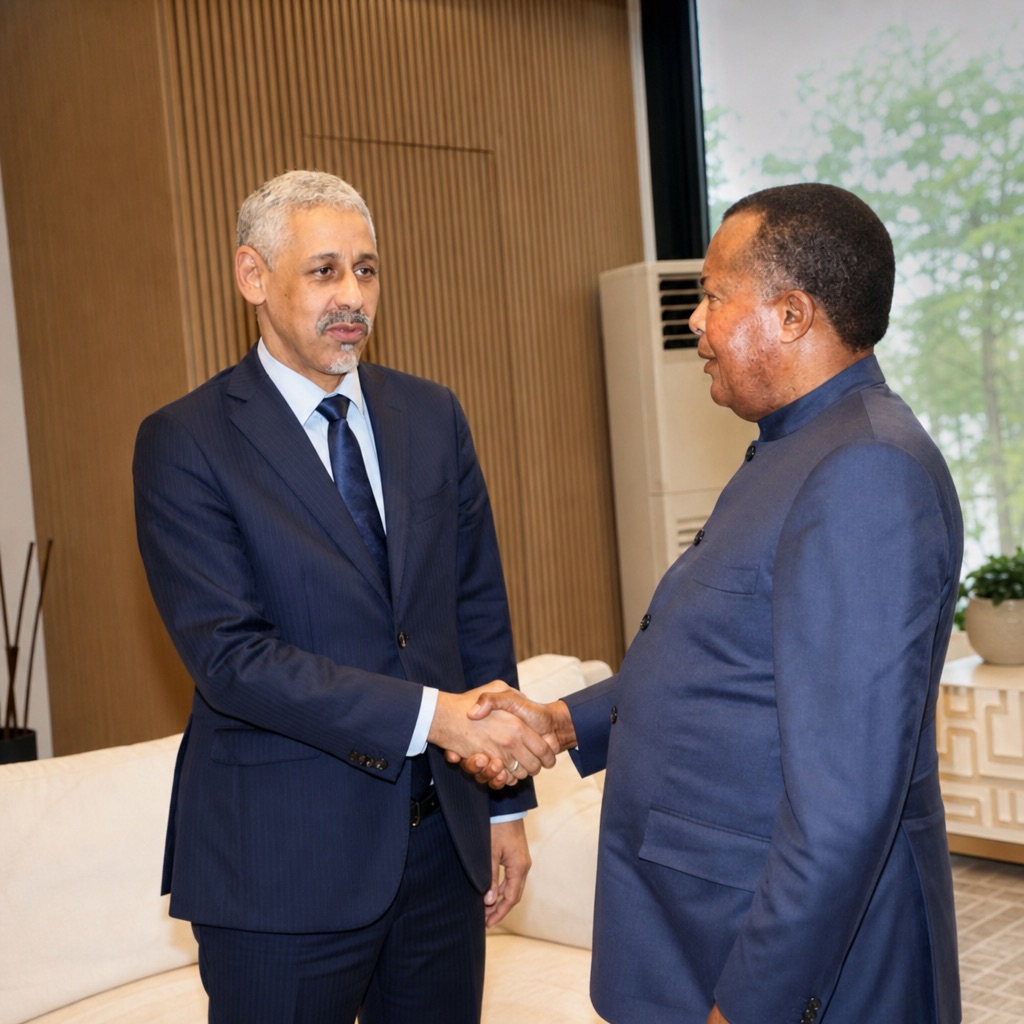
The stakes were clear from the eve of the opening. President Denis Sassou N’Guesso sat down with AfDB chief Sidi Ould Tah to walk through the final arrangements, a sign of how closely the host country is watching the details (Journal de Brazza).
For a city used to playing a quieter role in regional summitry, the week marks a turn in the spotlight. Officials in Brazzaville have framed the event as both a diplomatic showcase and a chance to talk business with people who move money across Africa.
Who Is in the Room and Why It Matters
The annual meetings pull together a heavyweight crowd. African heads of state, finance ministers, central bank governors, technical partners and investors are all expected to share the floor over the five days of talks.
Their agenda is not light. The sessions center on how the continent finances its own development, how it can reshape struggling economies, and how it might hold steady against the shocks rippling through the global system.
That mix of guests explains the tone of the week. When central bankers and treasury chiefs gather in one place, the conversations tend to move quickly from speeches to the harder questions of who pays for what, and on what terms.
The Themes Driving the Agenda
Several threads run through the planned discussions. Negotiators are set to weigh deeper regional integration, a long-standing ambition in Central Africa that has often proved easier to praise than to deliver in practice.
Industrialization sits high on the list as well. The Bank has long argued that Africa needs to process more of what it produces, and the Brazzaville talks give that message a fresh stage in front of decision-makers.
Rounding out the agenda are two familiar but stubborn challenges: pulling together the financial resources the continent needs, and helping governments steer their own sustainable development policies without losing momentum when budgets tighten.
What the Week Means for Congo
For the host nation, the meetings carry weight that goes beyond the conference halls. Standing as the country that organized the gathering gives Congo a platform few of its neighbors get in any given year, and the government means to use it.
The aim, as officials present it, is twofold. Brazzaville wants to restate its commitment to African cooperation while drawing attention to its own development plans and its pitch to investors weighing where to put their capital.
Whether that translates into lasting deals is a separate question, and one the week alone will not answer. Still, hosting a summit of this scale puts the country in front of an audience that rarely assembles in Congo-Brazzaville.
The Numbers Behind the Gathering
The scale is considerable. According to figures shared by the AfDB, roughly 3,000 delegates are expected to pass through the event, a logistical undertaking that touches hotels, transport and security across the capital (Journal de Brazza).
That kind of footfall reshapes a city for a week. Navetteurs and small businesses tend to feel the difference quickly, from busier streets to a sudden surge in demand for rooms and services around the venues.
Running alongside the main program is the 11th edition of Africa Road Builders, an event devoted to infrastructure and development across the continent. Its presence ties the week’s lofty financing talk back to the concrete work of roads and links.
A Test of Ambition
Taken together, the week reads as a statement of intent. Congo is positioning itself as more than a host city, signaling that it wants a seat in the broader debate over how Africa funds its future.
The guest list and the agenda set a high bar. Integration, industrialization and resource mobilization are the kind of goals that outlast any single summit, and progress on them will be measured long after the delegates have flown home.
For now, Brazzaville carries the moment. The cameras, the motorcades and the crowded conference rooms give the capital a rare chance to be seen, and the city appears determined not to waste it.