
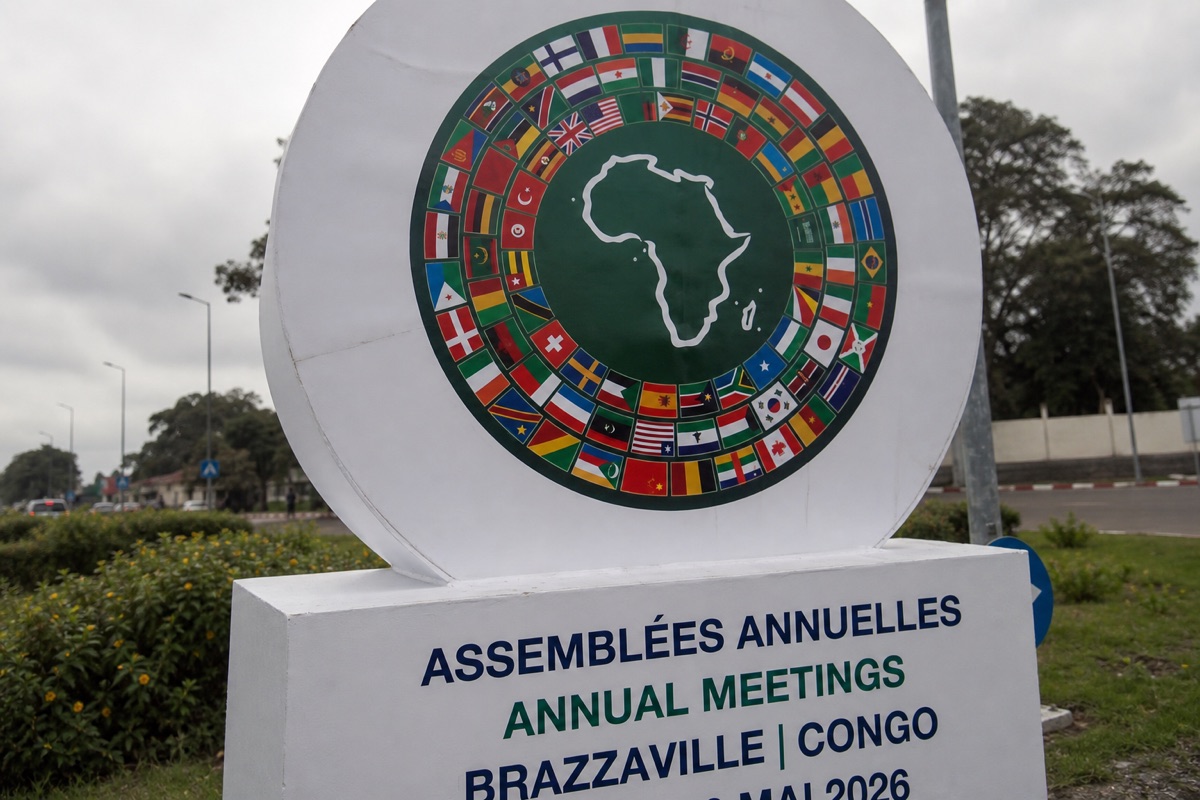
From May 25 to 29, Brazzaville steps into the spotlight as it hosts the Annual Meetings of the African Development Bank Group. The gathering pulls heads of state, finance ministers, central bankers and investors toward the Republic of Congo’s capital for several intense days.
A Continental Stage for the Republic of Congo
The choice of Brazzaville signals something larger than logistics. It marks what organizers frame as the Republic of Congo’s renewed presence on Africa’s economic and diplomatic map, a country eager to be seen as a serious partner.
For a city more often discussed for its river and its history, the role of host carries weight. Brazzaville becomes, for a week, a working platform for dialogue, investment and cooperation across the continent.
The decision, according to the event’s framing, rests on confidence in the country’s posture toward stability, regional integration and infrastructure development. That trust, officials suggest, has been earned over time rather than granted overnight.
Who Gathers and Why It Matters
The guest list reads like a map of African economic power. Heads of state sit alongside finance ministers, governors of central banks, international experts and private investors, each arriving with priorities of their own.
Their shared task is blunt: examine the continent’s economic challenges and sketch the conditions for durable growth. The Annual Meetings function less as ceremony and more as a negotiating floor where commitments take shape.
For Brazzaville’s residents, the abstract suddenly turns concrete. Motorcades, packed hotels and visiting delegations are the visible surface of decisions that may eventually touch budgets, jobs and prices far from the conference halls.
Financing, Energy and the Question of Jobs
The meetings’ theme places development finance at the center of debate, alongside economic transformation, the energy transition and the employment of young people. These are not separate files; they pull on the same thread.
The energy transition, in particular, frames a tension familiar across Africa. The continent seeks cleaner growth while still demanding the power and infrastructure that lift incomes. Squaring those goals requires money, and money is the bank’s business.
Youth employment looms over the rest. With young populations expanding quickly, the question of where the next generation finds work shapes nearly every economic conversation, including the ones unfolding in Brazzaville this week.
Speaking With One Voice
The organizers describe a continent determined to speak with a single voice and to quicken its march toward economic sovereignty. That ambition sits against a backdrop of geopolitical shifts and a changing climate, both of which complicate planning.
Whether such unity holds beyond the conference rhetoric is, as always, the harder test. Annual Meetings produce declarations easily; the slower work is turning shared language into coordinated policy that survives the trip home.
Still, the symbolism is not trivial. Gathering decision-makers in one room, in one city, creates space for the kind of informal conversation that formal communiqués rarely capture but often depend upon.
What Brazzaville Stands to Gain
The expected local dividends are tangible. The hospitality sector anticipates a surge, local businesses brace for heightened activity, and the city gains a stretch of international visibility it rarely commands.
Beyond the immediate bustle, hosts hope the meetings seed new partnerships. A handshake during a coffee break can, in this world, become a memorandum, and a memorandum can become a project that outlasts the event itself.
There is also a quieter benefit. Hosting an institution of the bank’s stature invites scrutiny, and scrutiny, handled well, can sharpen a country’s reputation for reliability among the very investors it hopes to attract.
A Week That Outlasts Itself
For all the protocol, the real measure of these Annual Meetings will arrive later, in the contracts signed, the financing released and the projects that move from slide decks to ground. Brazzaville’s week ends; its consequences may not.
What is clear now is the staging. From May 25 to 29, the Republic of Congo’s capital holds a rare position at the heart of Africa’s financial conversation, and it intends to make the moment count.
As one observer of these gatherings often notes, cities are chosen for what they can host and remembered for what they help decide. Brazzaville has secured the first. The second remains, for now, an open and watchful question.