
A Strategic Handover in Brazzaville
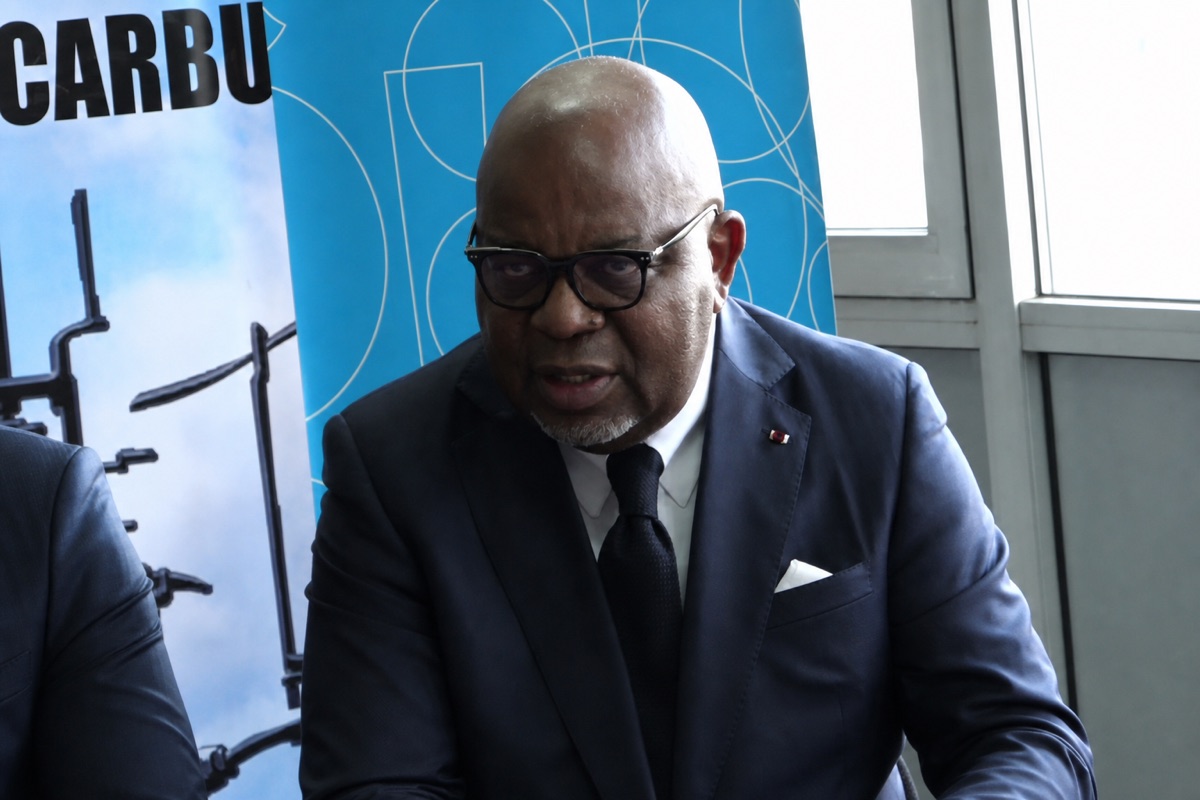
Stev Onanga has officially taken up his duties as Minister of Hydrocarbons in the Republic of Congo. A formal handover ceremony marked the transfer of service, placing him at the head of one of the country’s most closely watched portfolios.
The appointment is part of the new government formed after Anatole Collinet Makosso was reconfirmed as Prime Minister. Onanga’s arrival came roughly two weeks after that reappointment, slotting him into a cabinet now tasked with steering the nation’s economic priorities.
Why the Oil Portfolio Carries Weight
In Congo-Brazzaville, the Hydrocarbons Ministry is far more than a routine administrative post. The country’s budget revenues remain heavily tied to oil, making whoever holds the role a central figure in the government’s fiscal calculations.
That dependence shapes everyday economics across Brazzaville, Pointe-Noire and the wider departments. When oil receipts rise or fall, the effects ripple into public spending, infrastructure plans and the financial room available to the broader administration.
For navetteurs, families and small businesses, the ministry’s stewardship is not abstract. The decisions taken there sit upstream of much of what eventually reaches household budgets, even if the connection is rarely visible in daily life.
A Reshuffle Sets the Stage
The change at Hydrocarbons did not happen in isolation. It followed the reshuffle that accompanied the renewed mandate handed to the Prime Minister, a sequence that reorganised parts of the executive and redistributed key responsibilities.
Keeping Makosso in place signalled a degree of continuity at the top of government. Within that framework, the naming of new ministers like Onanga points to where the leadership wanted fresh faces while preserving the overall direction of the cabinet.
The handover ceremony itself followed the customary form for such transitions in Congo-Brazzaville. These passation de service moments formalise the transfer of authority and mark the point at which a minister assumes full responsibility for the department.
What the New Minister Inherits
Onanga steps into a portfolio whose health is closely linked to the nation’s overall financial standing. With budget revenues still largely drawn from the oil sector, the ministry he now leads sits at the heart of how the state funds its commitments.
That position brings both visibility and pressure. A hydrocarbons minister in Congo-Brazzaville operates at the intersection of national accounts and a resource whose performance is shaped by factors well beyond the country’s borders.
The portfolio’s strategic standing also means its leadership tends to draw attention from institutions, partners and the public alike. The way the ministry is run feeds into wider conversations about how the country manages its most important source of revenue.
A Government Defined by Continuity and Renewal
The broader picture is one of a government balancing two impulses. Reconfirming the Prime Minister offered stability, while bringing in new ministers introduced renewal in specific areas, including the sensitive hydrocarbons brief now in Onanga’s hands.
For the diaspora and for younger Congolese watching from afar, such appointments offer a reading of the executive’s intentions. The names chosen for strategic posts often say as much about priorities as any formal policy statement.
In the departments and the major cities alike, attention now turns to how the new minister settles into the role. The handover marks a beginning rather than a conclusion, with the substance of the tenure still to unfold.
A Portfolio to Watch in the Months Ahead
For now, the essential facts are clear. Onanga is the new Minister of Hydrocarbons, confirmed within a reshuffled cabinet led once more by Makosso, and responsible for a sector central to the republic’s finances.
What comes next will be defined by how the ministry performs under his direction. Given the weight of oil in the national budget, few portfolios are followed as carefully by institutions, businesses and ordinary citizens across Congo-Brazzaville.
The transition closes one chapter and opens another. With the formalities of the handover complete, the focus shifts to the work itself and to a ministry whose decisions reach deep into the country’s economic life.