
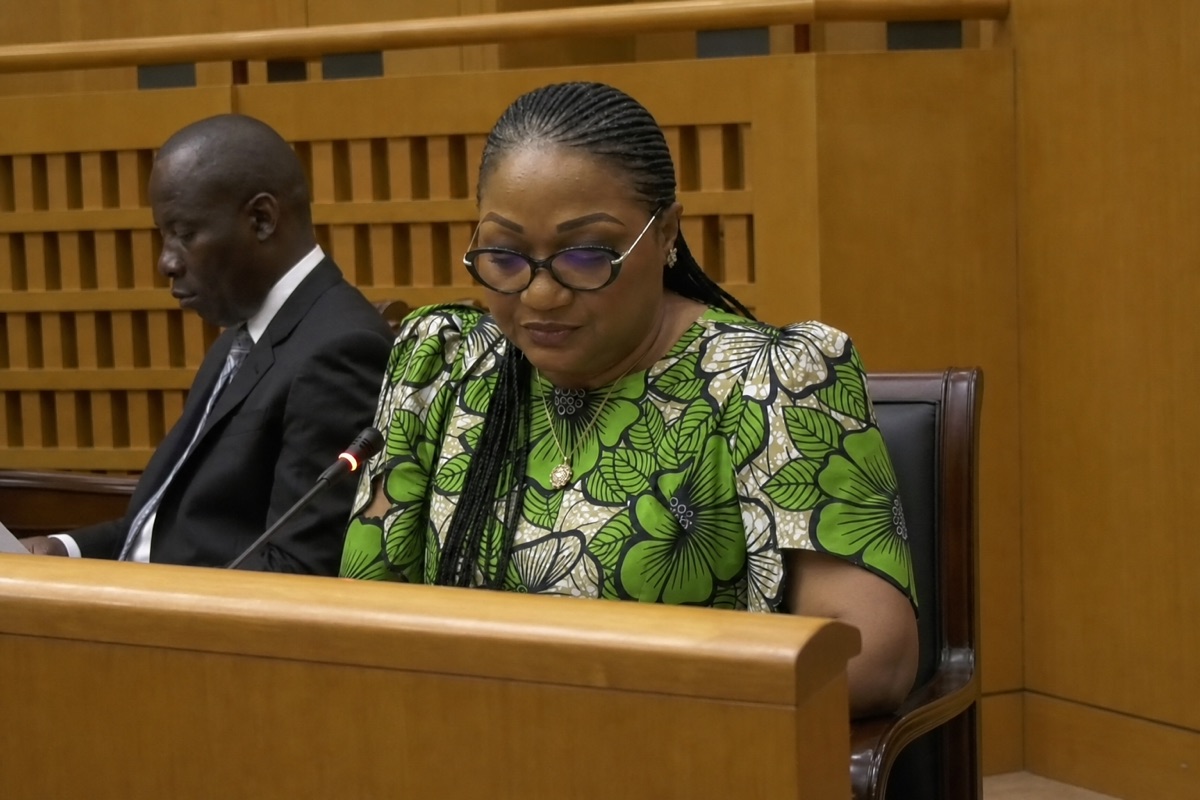
Lawmakers in the Republic of Congo have approved a revised Mining Code, signalling a fresh attempt to modernise the rules that govern how the country’s underground wealth is explored, extracted and managed.
A Long-Awaited Vote in Brazzaville
The bill cleared the National Assembly on 8 April 2026. For a sector that sits at the heart of national ambitions, the vote marked a notable legislative moment, closing a chapter of deliberation over how mining should be regulated.
Members of parliament endorsed the text revising the existing legal framework. The decision reshapes the foundation on which mining activity rests, replacing earlier provisions with an updated set of rules for the years ahead.
Why the Mining Code Matters Here
Mining law is not an abstract concern in Congo-Brazzaville. It sets the terms under which licences are granted, how companies operate, and how the state interacts with the firms that dig into its soil. A revised code therefore touches governance directly.
The framework governs the exploitation of mineral resources, an area many officials view as central to broadening the economy beyond its traditional pillars. Updating these rules is widely seen as part of a longer effort to strengthen oversight of the extractive sector.
A Step Toward Firmer Governance
Reforming the legal text is often described as an important step for accountability. Clearer rules can shape how revenues are tracked, how obligations are enforced, and how disputes between operators and authorities are settled within the country’s institutions.
The reform of the framework regulating mineral extraction represents, in the words used around its adoption, a meaningful stage for the governance of the Congolese extractive industry. The emphasis falls on structure and order rather than on any single headline measure.
What Remains to Be Clarified
At the time of the vote’s reporting, the detailed content of the adopted provisions had not yet been made public. That gap leaves several practical questions open for operators, investors and observers who follow the sector closely.
Until the full text circulates, the precise obligations placed on mining companies, the fiscal arrangements, and the licensing procedures remain to be confirmed. Readers are advised to treat specifics with caution until official documents are published in full.
Reading the Reform in Context
For a country where mineral resources carry both economic hope and scrutiny, a new code is rarely a purely technical exercise. It reflects choices about how value is shared and how the state asserts its role over a strategic domain.
The adoption fits a broader regional pattern across Central Africa, where governments have revisited extractive legislation to tighten supervision. Within that landscape, Congo-Brazzaville’s move adds to an ongoing conversation about resource governance in the sub-region.
What Comes Next
With the text approved by the National Assembly, attention now turns to its publication and to the steps that follow parliamentary endorsement. The practical impact will become clearer once the detailed measures are known and begin to take effect.
For now, the headline is straightforward: the country has chosen to renew the rules of its mining game. The substance behind that choice, and the difference it makes on the ground, will be measured in the months ahead as implementation unfolds.