
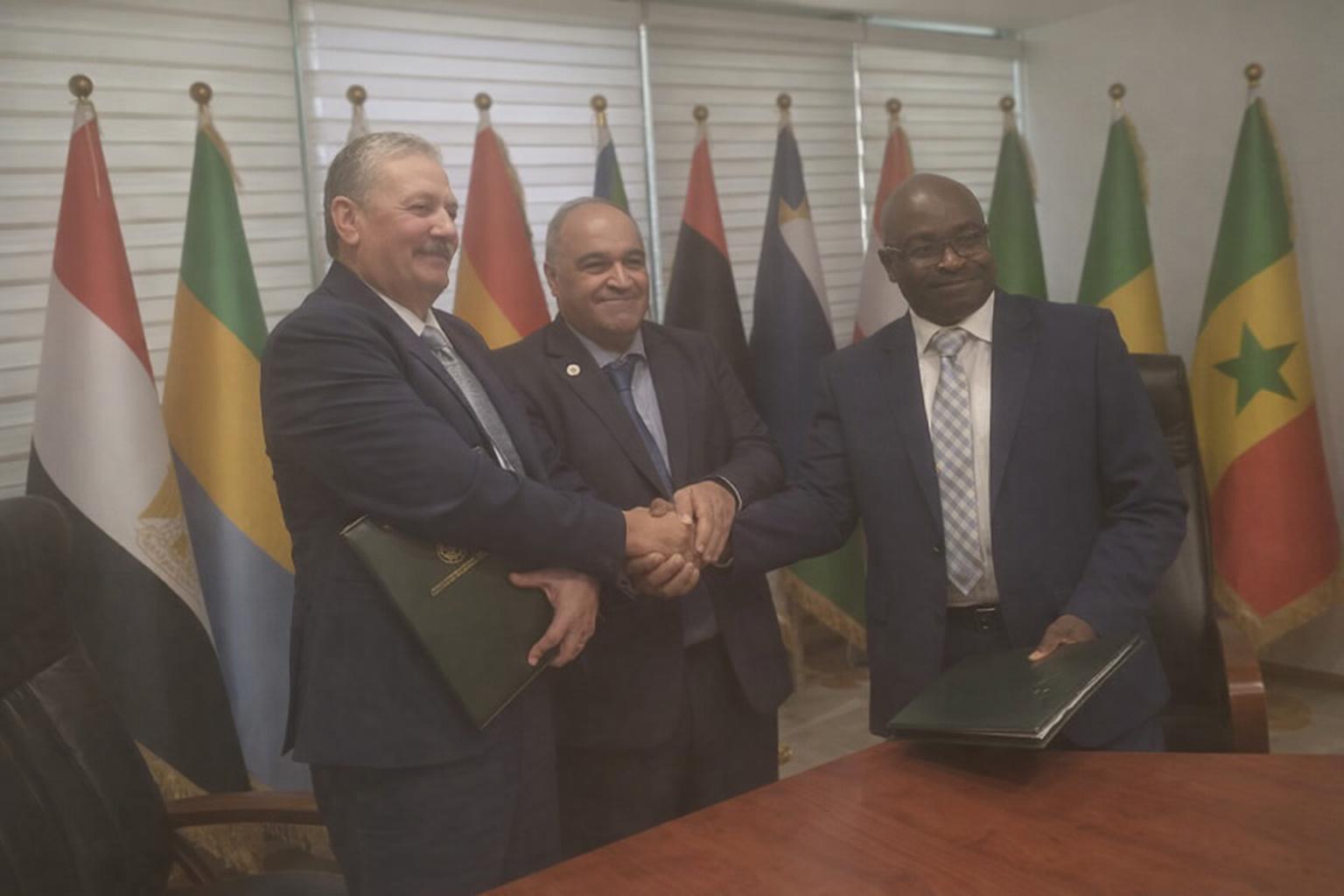
Brazzaville hosts APPO-backed energy agreement
GNPC, the Ghana National Petroleum Corporation, and Algeria’s Sonatrach have signed a memorandum of understanding in Brazzaville aimed at deepening cooperation in the hydrocarbons sector. The agreement was concluded on Jan. 6 under the auspices of the African Petroleum Producers’ Organization (APPO).
The signing was presented as a practical outcome of APPO’s research and development forum, a platform designed to connect African producers around common technical needs. By using APPO as a convening framework, the two companies position their collaboration within a wider continental push for shared solutions.
What the MoU covers in oil and gas cooperation
According to the information shared around the MoU, the partnership is meant to pool expertise to design technology solutions adapted to African operating realities. It also outlines joint development of oil and gas projects, an exchange of best practices, and cooperation on advanced techniques.
The scope is described as covering the entire “oil and gas” value chain, from exploration to processing. In practical terms, that framing suggests collaboration can extend beyond upstream operations to include how hydrocarbons are handled, treated, and transformed after discovery.
Sonatrach: focus on research, expertise and shared issues
Mustapha Benamara, described as a central director at Sonatrach, said the protocol creates a structured framework rooted in research and expertise. In his view, the MoU is designed to help both countries build on their respective capacities to address shared challenges in hydrocarbons.
“The agreement will allow our two countries to capitalize on their respective capacities to respond to common issues in the hydrocarbons sector,” Benamara said, as quoted in the source material. The message highlights a cooperative approach rather than competition between national champions.
Reducing technology dependence: a key ambition
One of the ambitions attached to the partnership is to reduce technology dependence on international partners. The language used around the MoU stresses the desire to develop African-fit solutions and strengthen local mastery of tools and methods used across oil and gas operations.
The partnership also points to an intention to bring part of investment back at national and continental levels. Framed carefully, this is about retaining more value within African economies by developing and validating solutions locally, using shared expertise between established operators.
Five-year timeline with two phases
The MoU is set to run for five years and is expected to unfold in two phases. The first phase, spanning three years, is dedicated to preparing, maturing, and optimizing research and innovation projects tied to the partnership’s objectives.
A second phase will focus on implementation and field validation of the solutions developed during the earlier period. This two-step sequencing is typical for R&D-driven cooperation, where concepts are refined before being tested under real operating conditions, then adjusted based on results.
APPO role and what could come next
APPO’s role is presented as central: the deal is linked to the organization’s R&D forum and signed under its auspices. That positioning indicates a coordinated effort to encourage African producers to collaborate on technical and operational priorities that many countries share.
The same source indicates that similar agreements could be announced in the coming months under APPO coordination. If that materializes, Brazzaville’s signing could serve as a reference point for how producer-to-producer cooperation is formalized, with research, innovation, and deployment as guiding pillars.
Why this matters for African energy capacity
For readers tracking energy developments, the significance lies in the focus on technology and knowledge exchange, not only volumes or new discoveries. By emphasizing R&D, best practices, and advanced techniques, the MoU aligns with a broader interest in building durable capabilities within African operators.
As the five-year program advances through preparation and then field validation, observers will likely watch for concrete projects and measurable outcomes. For now, the agreement signals intent: two major African companies committing to structured cooperation, with APPO providing the continental umbrella.