
High-profile AfDB visit sparks optimism
A fresh wave of confidence swept through Brazzaville on 28 October as President Denis Sassou N’Guesso welcomed African Development Bank (AfDB) vice-president Marie-Laure Akin Olougbade to his Plateau residence, sealing a high-level discussion centred on energy, agriculture and regional connectivity.
The meeting, described by both parties as cordial and forward-looking, reaffirmed a partnership many observers see as pivotal for Congo’s push toward economic diversification and inclusive growth, especially in a global context where supply chains are searching for reliable energy and sustainable food sources.
Cooperation aligns with national roadmap
Speaking after the audience, Ms. Akin Olougbade praised what she called the “excellent collaboration” between the AfDB and the Congolese government, noting that current and upcoming projects align closely with the national development blueprint championed by President Sassou N’Guesso since the launch of his latest term.
Her remarks echoed earlier statements from the Bank’s Board that place Congo among the CEMAC countries with “high transformative potential”, thanks to natural resources, a youthful workforce and geographic access to Atlantic corridors, yet still facing infrastructure gaps the AfDB intends to help bridge.
Energy capacity expansion plan
Central to the talks was electricity, a vital ingredient for Congo’s industrial ambitions, digital rollout and household comfort alike. The AfDB confirmed it will finance imminent feasibility studies aimed at expanding national generation capacity and modernising transmission lines connecting Brazzaville, Pointe-Noire and emerging agro-processing zones.
Officials inside the Ministry of Energy say those studies, expected to start early next year, will scrutinise options ranging from hydropower upgrades on the Congo River to solar mini-grids in remote districts, ensuring the final investment package meets both urban demand and rural electrification objectives.
By focusing on preparatory work first, the AfDB reinforces international best practice, reducing project risk and accelerating subsequent financing rounds. Analysts believe this phased approach could unlock private capital as soon as bankability is proven, a scenario likely to stabilise tariffs and attract light manufacturing.
Agriculture funding to spur rural jobs
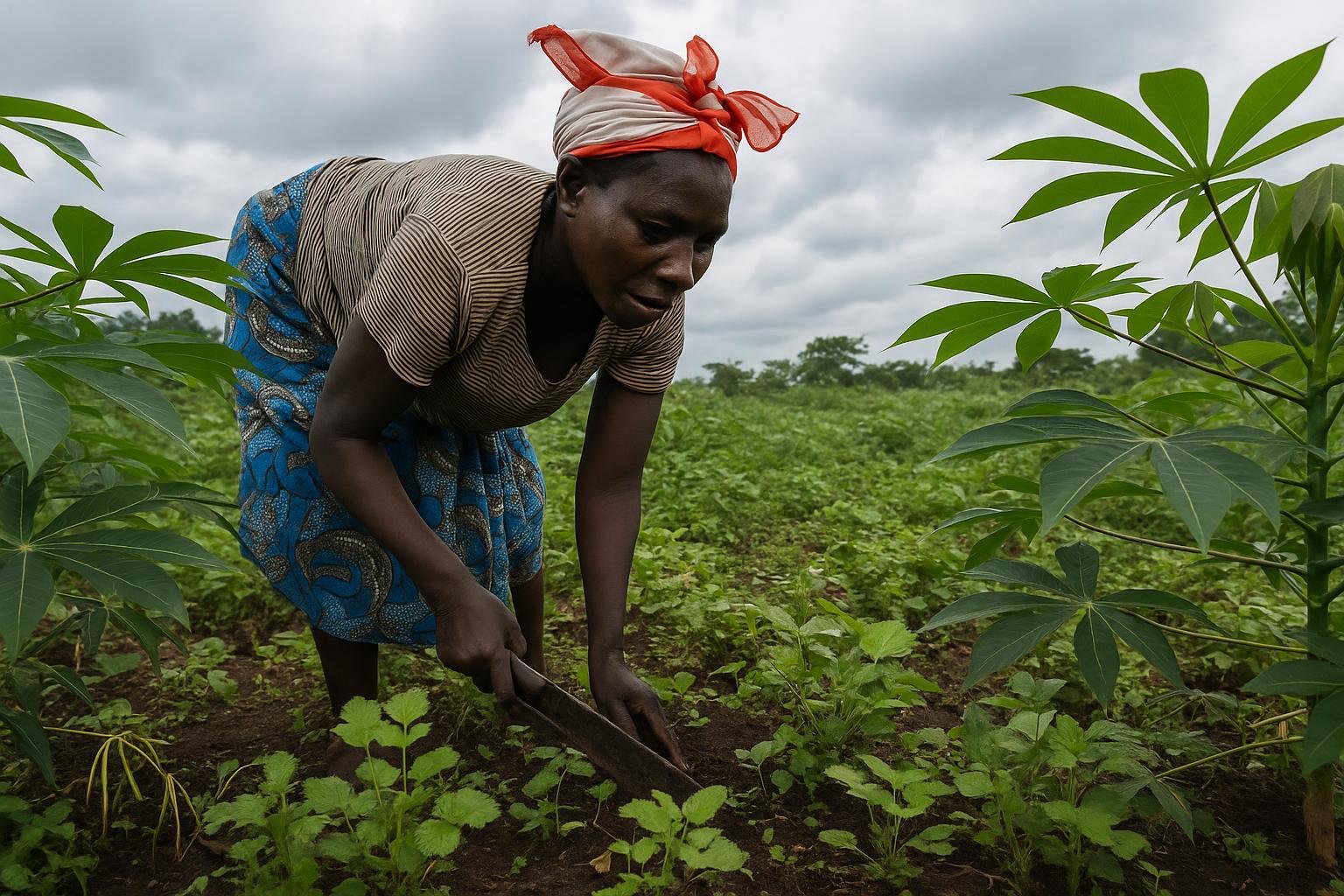
Agriculture formed the second cornerstone of the presidential briefing. The Bank reiterated an eye-catching envelope of 80 billion dollars earmarked to modernise value chains, improve storage, and bring climate-smart techniques to family farms that still account for a large share of national employment and nutritional intake.
Under the proposed programme, priority crops such as cassava, rice and maize will benefit from improved seed varieties and irrigation schemes, while women and youth cooperatives are set to access small-equipment grants aimed at lifting yields and strengthening their position in local market networks.
For President Sassou N’Guesso, who has repeatedly called agriculture the “new oil”, the AfDB’s commitment signals international validation of his vision to reduce food imports, generate rural jobs and preserve foreign exchange reserves, all while aligning with continental food-security targets endorsed by the African Union.
Regional integration and trade corridors
Beyond national borders, the leaders examined regional integration efforts linked to the African Continental Free Trade Area. The AfDB is already co-funding road and rail corridors intended to knit together Cameroon, Gabon and Congo, thereby cutting freight times and opening landlocked towns to seaport logistics.
Diplomats present at the meeting underscored that smoother cross-border infrastructure dovetails neatly with Congo’s ambition to become a distribution hub for Central Africa, an ambition that could multiply customs revenues while facilitating the movement of farmers’ surpluses from hinterlands to coastal export terminals.
Seasoned AfDB leadership, shared vision
Marie-Laure Akin Olougbade, who assumed her current post in October 2024 after three decades at the AfDB, also conveyed a verbal message from the institution’s new president, Sidi Ould Tah, reaffirming the Bank’s determination to support member states in delivering the Sustainable Development Goals.
Observers note that the synchrony between Brazzaville and the Abidjan-based lender has rarely been stronger, a climate partly attributed to the government’s transparent project pipeline and the AfDB’s sharpened focus on green and inclusive portfolios, two agendas viewed as mutually reinforcing rather than competing.
Clear milestones ahead
Planners say energy-study tenders will be issued in December, with contractors chosen in March, so preliminary site work can begin before heavy rains hamper river barges and rural access roads.
The Agriculture Ministry is building a digital dashboard to track funding and yields in real time, mirroring a tool the AfDB piloted in Côte d’Ivoire and now extends to Central Africa.
What the partnership means for households
For ordinary households, the stakes are tangible: more reliable power means fewer generator fumes, and diversified farming offers cheaper staples at local markets. Small entrepreneurs interviewed in Poto-Poto already anticipate longer opening hours and chilled storage once the first sub-stations and agro-hubs come online.
Taken together, the energy and agriculture packages outlined this week show how strategic partnerships can translate presidential vision into benefits, from job creation to climate resilience. With studies queued and funding committed, many in Brazzaville sense that a decisive acceleration is within reach.